
The Art of Pour-Over Coffee: Elevating Your Specialty Coffee Experience

Pour-over coffee offers a unique way to enjoy specialty coffee, especially those sourced from single-origin farms at high altitudes. This brewing method highlights the coffee’s distinct coffee notes and brings out a complex taste that other methods often miss. If you want to deepen your appreciation for specialty coffee and unlock its full flavor potential, mastering pour-over coffee is a rewarding skill.
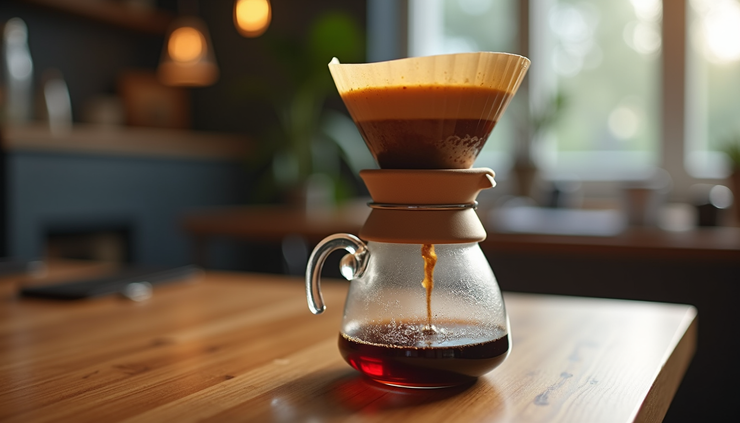
Why Choose Pour-Over Coffee for Specialty Beans
Specialty coffee beans are prized for their unique flavors, often influenced by the farm’s altitude, soil, and processing method. Pour-over coffee allows you to control every step of the brewing process, which is essential for highlighting these subtle differences.
Precise control over water temperature and flow helps extract the best flavors without bitterness.
Even saturation of coffee grounds ensures balanced extraction, preserving delicate coffee notes.
The slow brewing process enhances the complex taste profile, revealing fruity, floral, or nutty undertones.
This method works especially well with beans from high altitude farms, where the slower bean maturation creates denser beans with more nuanced flavors.
What You Need to Brew Great Pour-Over Coffee
Before diving into the brewing steps, gather the right tools and ingredients:
Freshly roasted specialty coffee beans, ideally single-origin
Burr grinder for consistent grind size
Pour-over dripper (such as a V60, Kalita Wave, or Chemex)
Paper or metal filter compatible with your dripper
Gooseneck kettle for controlled pouring
Scale to measure coffee and water precisely
Timer to track brew time
Clean, filtered water heated to about 195–205°F (90–96°C)
Using fresh beans and filtered water is crucial to avoid off-flavors that can mask the coffee’s natural complexity.
Step-by-Step Guide to Brewing Pour-Over Coffee
1. Measure and Grind Your Coffee
Start with about 18 grams of coffee for every 250 ml of water. Grind the beans to a medium-coarse texture, similar to sea salt. Too fine a grind can cause over-extraction and bitterness; too coarse will under-extract and taste weak.
2. Prepare Your Equipment
Place the filter in the dripper and rinse it with hot water. This removes paper taste and preheats the dripper and carafe. Discard the rinse water.
3. Add Coffee Grounds and Bloom
Add the ground coffee to the filter and gently shake to level the bed. Start your timer and pour just enough hot water (about twice the weight of the coffee) to saturate all grounds evenly. Let it bloom for 30–45 seconds. This step releases trapped gases and prepares the coffee for extraction.
4. Pour Water in Controlled Circles
Slowly pour the remaining water in a steady, circular motion, starting from the center and moving outward without touching the filter. Pour in stages, allowing the water to drip through before adding more. Aim for a total brew time of 2.5 to 3.5 minutes.
5. Serve and Savor
Once the water has fully drained, remove the dripper and serve your coffee immediately. Take a moment to notice the aroma and taste. You should detect clear coffee notes like citrus, chocolate, or floral hints, depending on your beans.
Tips to Enhance Your Pour-Over Experience
Experiment with grind size and water temperature to find the perfect balance for your beans.
Use a scale and timer every time to maintain consistency.
Try different filters (paper vs. metal) to see how they affect clarity and mouthfeel.
Use freshly ground coffee for the best flavor.
Store your beans properly in an airtight container away from light and heat.
Why Pour-Over Coffee Brings Out Complex Taste
The slow, controlled extraction in pour-over coffee highlights the complex taste of specialty coffee. Unlike automatic machines that can over-extract or under-extract, pour-over lets you adjust variables to suit the bean’s profile. This method preserves the bright acidity and layered flavors typical of high-altitude, single-origin coffees.

Comments